
Can Botox Really Stop Wrinkles Before They Even Form in Woodland Hills?
Most people think Botox is for fixing what's already broken. Lines that have settled in. Creases that won't smooth out. But there's a shift happening in Woodland Hills and beyond — one that treats aging like a problem you can intercept, not just repair. Preventative Botox isn't about erasing damage. It's about stopping the damage before it starts. And if you're not paying attention to how your face moves now, you might be setting yourself up for deeper work later.
So here's what matters. If you're watching fine lines appear when you raise your eyebrows or squint at your phone, that's your cue. Those movements add up. Every expression leaves a mark, and over time, those marks become permanent. Preventative Botox doesn't freeze your face — it just takes the edge off the repetition. The earlier you start thinking strategically, the less you'll need to fix down the road.
Repetition Is What Carves the Lines
Wrinkles don't just show up overnight. They're the result of years of muscle contractions — frowning, squinting, smiling, raising your brows. Your skin can bounce back when you're younger, but collagen production slows as you age. Elasticity fades. And those expressions you've been making since your teens? They start leaving permanent grooves.
Sun damage accelerates the process. Genetics load the gun. But it's the repetitive motion that pulls the trigger. That's where Botox treatments come in — not as a Band-Aid, but as a way to reduce the wear and tear before it becomes visible.
What Preventative Botox Actually Does
Traditional Botox smooths out wrinkles that are already there. Preventative Botox works upstream. It's administered to younger patients — usually late twenties to early thirties — before deep lines have a chance to set in. The goal isn't to paralyze your face. It's to soften the muscle activity that leads to creasing over time.
By limiting how much those muscles contract, you're reducing the mechanical stress on your skin. Think of it like easing off the gas before you hit the brakes. You're not stopping movement entirely — you're just dialing it back enough to keep the damage from compounding.
The Science Behind the Injection
Botox is a purified neurotoxin — botulinum toxin type A, to be exact. When injected into targeted facial muscles, it blocks the nerve signals that tell those muscles to contract. No contraction means no creasing. No creasing means fewer opportunities for lines to form.
It's temporary. The effects wear off after three to four months, which is why maintenance is part of the deal. But during that window, your skin gets a break from the constant folding and unfolding that leads to permanent wrinkles. And if you start early enough, you may never need the heavier interventions that come with deeper lines.
Does It Actually Work?
Clinical evidence and real-world results both point to yes — when it's done right. Patients who start preventative Botox in their twenties or early thirties tend to maintain smoother skin longer than those who wait until wrinkles are already etched in. Dermatologists in Woodland Hills often recommend it for patients with strong facial expressions or a family history of early aging.
But it's not a magic bullet. You still need sunscreen. You still need good skincare. And you still need a provider who knows what they're doing. Botox is only as effective as the hands administering it and the strategy behind the treatment plan.
Who Should Consider Starting Early
Preventative Botox isn't for everyone. It makes the most sense if you're noticing the beginnings of fine lines when you make certain expressions — forehead furrows, crow's feet, the "11" lines between your brows. If those lines disappear when your face is at rest, you're still in the preventative window.
Here's who benefits most:
- People with expressive faces who frown, squint, or raise their brows frequently
- Those with a family history of early wrinkles or deep lines
- Individuals in their mid-to-late twenties or early thirties who want to stay ahead of aging
- Anyone who's already invested in skincare and wants to add another layer of protection
- Patients who prefer a proactive approach over reactive treatments later
What the Process Looks Like in Woodland Hills
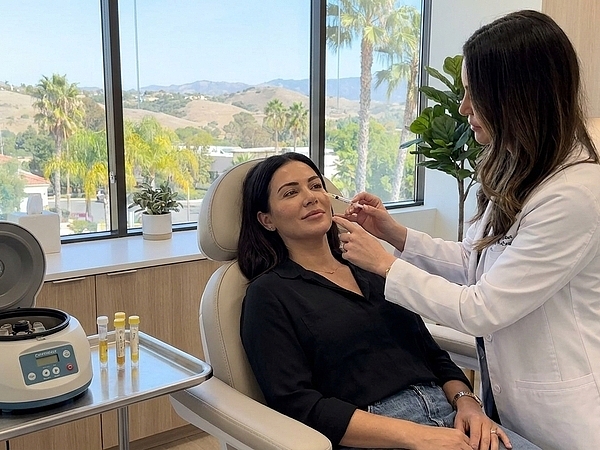
The actual procedure is quick. A trained injector uses a fine needle to deliver small amounts of Botox into specific muscles — usually the forehead, between the brows, and around the eyes. The whole thing takes less than half an hour. There's minimal discomfort, and most people go right back to their day.
Results start showing up within a few days. Your face doesn't freeze — it just moves a little less aggressively. And that's the point. You're not trying to look like a mannequin. You're trying to reduce the mechanical stress that leads to permanent creasing. Maintenance treatments every three to four months keep the effect going.

The Upside and the Trade-Offs
Preventative Botox has real advantages, but it's not without considerations. Here's what you're signing up for:
- Slows the formation of dynamic wrinkles by reducing repetitive muscle movement
- Non-surgical and requires little to no downtime
- Customizable to your facial anatomy and aesthetic goals
- Requires ongoing treatments to maintain results
- Possible side effects include bruising, swelling, or temporary asymmetry if not done correctly
Finding the Right Injector Matters More Than You Think
Botox is only as good as the person holding the syringe. In Woodland Hills, you want a board-certified dermatologist or licensed medical professional with a track record in cosmetic injectables. Not someone who picked it up at a weekend seminar.
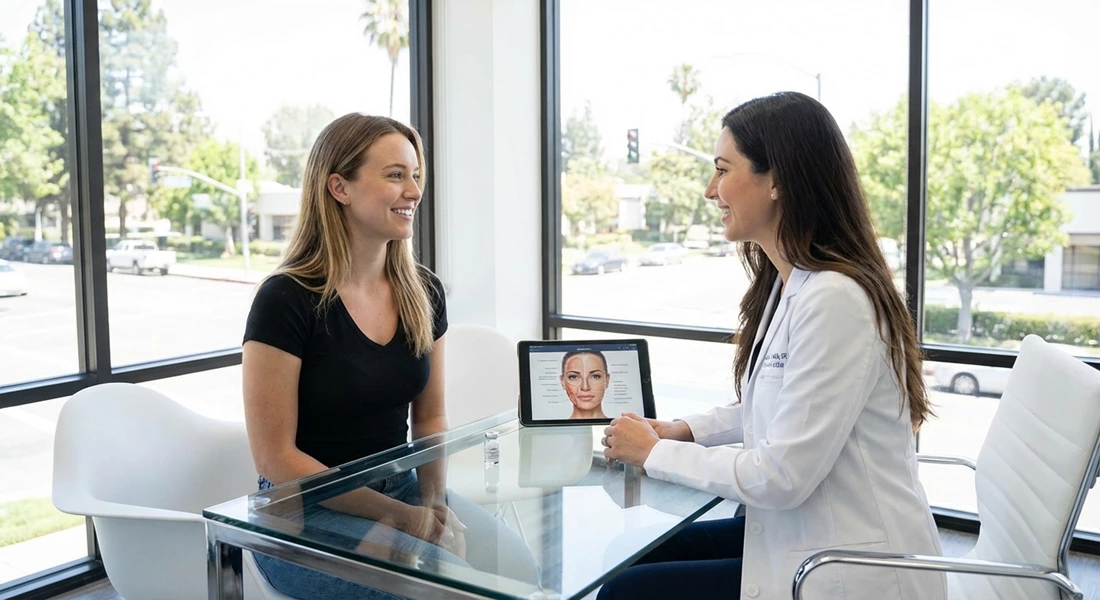
A skilled provider will assess your facial structure, discuss your goals, and create a treatment plan that makes sense for your age and skin type. They'll also know when to say no — because not every patient needs Botox, and not every concern can be solved with it.
Common Mistakes People Make
Starting preventative Botox is smart. Doing it wrong is expensive. Here's where people trip up:
- Going to an inexperienced injector who overdoes it or misplaces the product
- Expecting permanent results without committing to maintenance
- Skipping sunscreen and skincare, then wondering why Botox isn't enough
- Waiting until deep wrinkles have set in, then calling it "preventative"
- Not asking questions or understanding what they're signing up for
What You Should Ask Before You Book
Don't walk into a consultation blind. Come prepared with questions that help you gauge whether the provider knows their stuff. Ask about their experience with preventative Botox specifically. Find out how they customize treatment plans. Ask what happens if you don't like the results, or if something goes wrong.
Here's what to cover:
- How many units do you recommend for my age and concerns?
- What results should I expect, and how long will they last?
- What are the risks, and how do you handle complications?
- How often will I need to come back for maintenance?
- Can I see before-and-after photos of patients with similar goals?
Timing Matters More Than Age
There's no magic number for when to start preventative Botox. Some people begin in their mid-twenties. Others wait until their early thirties. What matters more than age is what's happening on your face. If you're seeing lines form when you make expressions — and they're starting to linger even when your face is relaxed — that's your signal.
Starting too early won't hurt you, but it might not be necessary. Starting too late means you've missed the preventative window and you're already in repair mode. The sweet spot is when you're still ahead of the damage but aware enough to see it coming.
Botox Isn't a Substitute for Good Habits
Preventative Botox works best when it's part of a bigger strategy. That means sunscreen every day. A solid skincare routine with retinoids and antioxidants. Staying hydrated. Getting enough sleep. Botox can reduce the mechanical stress on your skin, but it can't undo sun damage or replace collagen you've already lost.
Think of it as one tool in the toolbox — not the only one. The patients who get the best results are the ones who treat their skin like an investment, not an afterthought. Many also explore complementary options like dermal fillers for facial rejuvenation or microneedling skin renewal treatments to address volume loss and texture concerns that Botox alone can't fix.
Staying Ahead Without Overdoing It
Preventative Botox in Woodland Hills is gaining traction because it works — when it's done thoughtfully. You're not trying to stop aging altogether. You're just trying to slow down the visible signs before they become permanent. That takes a skilled provider, a realistic mindset, and a commitment to maintenance. For those looking to explore a comprehensive approach to aesthetic treatment for prevention care, combining neurotoxin treatments with other medical spa services can deliver even more lasting results. But if you're willing to put in the work, you can keep your face looking fresh without waiting until the damage is done.
Let’s Take the Next Step Together
We believe that staying ahead of aging is all about making smart, informed choices—and having the right team by your side. If you’re ready to explore how preventative Botox can fit into your routine, let’s talk it through together. Give us a call at 818-518-4582 or schedule an appointment and we’ll help you create a plan that keeps your skin looking its best for years to come.
‹ Back
Recent Posts
-

-

-

-

Can IPL in Calabasas Help Reduce Sun Spots & Redness?
June 24, 2026
-