

How Long Do Dermal Fillers Last and When It's time for a Touch-Up
Most people think fillers are permanent magic. They're not. They fade, they shift, and eventually, they disappear. The question isn't whether you'll need a touch-up — it's when. And if you're not paying attention to the signs, you'll either wait too long or book too early. Both waste time and money.
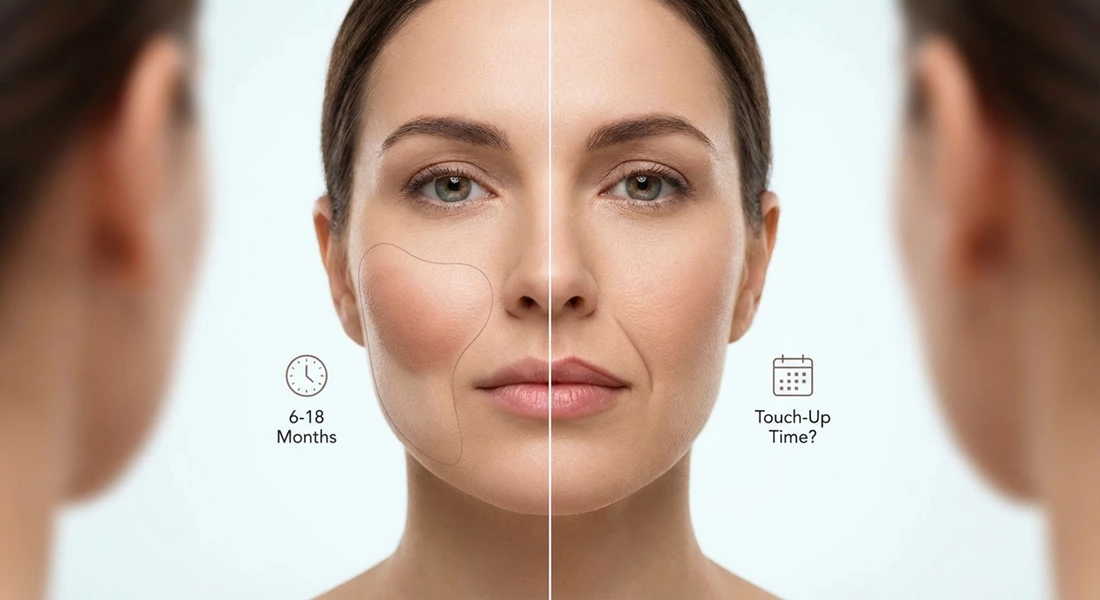
So here's what matters. Fillers work differently depending on what's in them, where they go, and how your body processes them. Some last months. Others push two years. But longevity isn't just about the product — it's about how you treat your skin, how much movement happens in that area, and whether you're proactive about maintenance.
What Actually Goes Into Your Face
Fillers aren't all the same formula with different labels. The base ingredient determines how they behave, how long they stick around, and what kind of results you get. Hyaluronic acid is the most common — it's already in your skin, so your body recognizes it. Other fillers use calcium, synthetic polymers, or collagen stimulators. Each one has a different job and a different shelf life.
The type you choose should match what you're trying to fix. Lips need something soft and flexible. Cheeks can handle denser formulas. Deep lines might call for a stimulator that builds collagen over time. The wrong match won't just fade faster — it'll look off from the start.
Breakdown by Formula
Not all fillers dissolve at the same rate. Some are gone in six months. Others hang on for years. Here's what you're working with depending on what gets injected.
- Hyaluronic acid fillers: These last anywhere from six months to a year and a half. High-movement zones like your mouth burn through them faster. Static areas like under-eye hollows hold them longer.
- Calcium-based fillers: Thicker and more structured, these typically last twelve to eighteen months. They're built for deeper folds and volume loss.
- Collagen stimulators: These don't give instant results — they trigger your skin to build its own support over time. Effects can last up to two years, but you'll need multiple sessions upfront.
- Semi-permanent options: These can last five years or more, but they're not reversible. That makes them higher risk if placement goes wrong or trends change.
Why Some People Burn Through Fillers Faster
Your metabolism doesn't just affect how you process food — it affects how quickly your body breaks down injectables.. If you have a fast metabolism, fillers won't last as long. Same goes if you're active, spend time in the sun, or smoke. All of those speed up degradation.
Where the filler goes also matters. Areas with constant movement — like around your mouth or between your brows — see faster breakdown. Your body is constantly flexing those muscles, which pushes the product out faster. Less mobile zones, like your temples or mid-cheek, hold onto fillers longer because there's less mechanical wear.
Signs It's Time to Book Again
You don't need to wait until everything's gone to schedule a touch-up. In fact, waiting too long can make it harder to maintain a consistent look. Here's what to watch for.
- Volume starts dropping: If the area that was plump now looks flat again, that's your cue. Don't wait until it's completely hollow.
- Lines reappear: When the folds or wrinkles you treated start creeping back, the filler is losing its grip.
- Symmetry shifts: One side might metabolize faster than the other. If you notice unevenness, a small adjustment can fix it before it becomes obvious.
- You just don't look as fresh: Sometimes it's not one specific thing — your face just doesn't have the same lift or glow. That's often the first sign that maintenance is due.
Stretching Your Results Without Overdoing It
Fillers will break down no matter what you do. But you can slow the process if you're smart about aftercare and lifestyle. Sun damage accelerates aging and filler breakdown, so sunscreen isn't optional. Smoking constricts blood flow and degrades collagen, which means fillers won't last as long in smokers.
Hydration helps too. Hyaluronic acid fillers work by attracting water, so if you're chronically dehydrated, they won't perform as well. And if you're getting aggressive facials, laser treatments, or peels, talk to your injector first. Some procedures can break down fillers faster than expected.

Timing Your Appointments Right
Most people wait until their filler is completely gone before rebooking. That's a mistake. If you let it dissolve entirely, you're starting from scratch every time. Maintenance appointments — scheduled before full breakdown — keep your results consistent and often require less product.
Your injector can help you map out a schedule based on how your body metabolizes the filler. Some people need touch-ups every six months. Others can stretch it to a year. But once you know your pattern, you can stay ahead of it instead of chasing it.
What Happens If You Skip Maintenance
Nothing catastrophic. Your face won't collapse. But you will lose the results you paid for, and it'll take more product to rebuild what's gone. Some people think skipping appointments will "reset" their face — it won't. It just means you're back where you started, and the next round of filler will cost the same or more.
- Volume loss becomes more noticeable over time, not less.
- Skin that was supported by filler may look more deflated once it's gone.
- You'll need more syringes to restore fullness than you would to maintain it.
- Waiting too long between treatments can make it harder to achieve the same natural look.
When to Call Your Injector
If you're not sure whether it's time for a touch-up, ask. A good injector will assess your results honestly and won't push you into unnecessary appointments. But they also know what subtle changes mean and can catch things you might miss in the mirror.
- Schedule a follow-up if you notice asymmetry or faster-than-expected fading.
- Book a consultation if you're considering switching filler types or adjusting your treatment plan.
- Don't wait until you're unhappy with how you look — maintenance is easier than correction.
- Ask about bio-stimulant treatments if you want longer-lasting results without going semi-permanent.
Maintenance Isn't Vanity
Dermal fillers aren't a one-and-done solution. They're part of a bigger strategy to keep your face looking the way you want it to. That means staying consistent, paying attention to changes, and working with someone who understands how your skin ages and how your body responds. Many patients also combine fillers with Botox neurotoxin treatments for comprehensive facial rejuvenation. For those seeking additional collagen support, PRP treatments and microneedling skin renewal can enhance and extend your results. If you're ready to explore your options, schedule your medical spa treatment to create a personalized maintenance plan. Skip the guesswork, track your results, and don't let your investment fade away because you waited too long to act.
Let’s Keep Your Look Fresh
We all want our results to last, and the best way to make that happen is by staying proactive with our filler maintenance. If you’re noticing subtle changes or just want to make sure you’re on the right schedule, let’s talk it through together. Give us a call at 818-518-4582 or schedule an appointment so we can help you keep your confidence high and your results looking their best.
‹ Back
Recent Posts
-

-

-

-

Can IPL in Calabasas Help Reduce Sun Spots & Redness?
June 24, 2026
-